

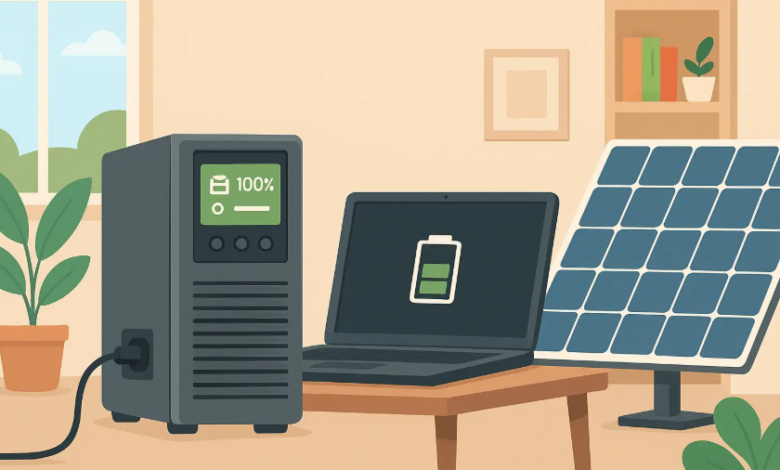
In today’s technology-driven world, uninterrupted power is essential for businesses, industries, healthcare facilities, and even homes. A UPS power system plays a critical role in protecting electrical equipment from power disturbances and ensuring continuous operation during outages. Whether safeguarding sensitive data or maintaining industrial productivity, a UPS power system has become an indispensable solution.
What Is a UPS Power System?
A UPS power system, or Uninterruptible Power Supply power system, is an electrical device designed to provide instant backup power when the main power source fails. Unlike generators, which take time to start, a UPS power system delivers immediate power through stored energy, preventing shutdowns, data loss, and equipment damage.
The system also conditions incoming power, protecting connected devices from voltage fluctuations, surges, spikes, and electrical noise.
See also: How to Use a Free Flyer Maker for Printable Designs in 2025
How a UPS Power System Works
A UPS power system continuously monitors incoming electrical power. When it detects irregularities or a complete power failure, it instantly switches to battery or stored energy without interrupting the connected load. This seamless transition ensures that equipment continues to operate normally until power is restored or systems are safely shut down.
The core components typically include:
- Rectifier or charger
- Battery bank
Inverter
Control and monitoring circuitry
Each component works together to ensure stable, reliable power delivery.
See also: From Debt to Financial Freedom: Paying off Tax Debt and Building a Secure Retirement Plan
Types of UPS Power System
Understanding the different types of UPS power system helps in choosing the right solution for specific applications.
Offline or Standby UPS
This is the most basic UPS power system, commonly used for personal computers and small devices. It activates battery power only when a power failure occurs.
Line-Interactive UPS
This UPS power system offers improved voltage regulation and is suitable for small businesses and network equipment. It corrects minor power fluctuations without switching to battery.
Online or Double Conversion UPS
An online UPS power system provides the highest level of protection. It continuously converts incoming AC power to DC and back to AC, delivering clean, uninterrupted power at all times. This type is ideal for data centers, hospitals, and industrial environments.
Importance of a UPS Power System
A UPS power system is essential for preventing costly downtime and equipment damage. Power interruptions can result in data corruption, hardware failure, and operational losses. With a reliable UPS power system in place, organizations can maintain productivity, ensure safety, and protect critical infrastructure.
For businesses, even a few minutes of downtime can lead to significant financial losses. For healthcare and industrial facilities, uninterrupted power can be life-saving and operationally critical.
Applications of UPS Power System
The versatility of a UPS power system makes it suitable for a wide range of applications:
- Data centers and server rooms
- Hospitals and medical equipment
Industrial automation systems - Telecommunications networks
- Banking and financial institutions
Home offices and smart homes
Each application requires a carefully selected UPS power system based on load capacity and runtime needs.
Benefits of Using a UPS Power System
A well-designed UPS power system offers numerous advantages:
- Instant backup power during outages
- Protection from voltage fluctuations and surges
Reduced risk of data loss - Extended lifespan of electronic equipment
- Improved operational reliability
Safe system shutdown during prolonged outages
These benefits make a UPS power system a long-term investment rather than just a backup device.
Factors to Consider When Choosing a UPS Power System
Selecting the right UPS power system depends on several key factors:
- Load capacity and power rating
Required backup runtime - Type of equipment being protected
- Scalability for future expansion
- Battery type and maintenance requirements
- Environmental conditions and installation space
Careful evaluation ensures optimal performance and cost-effectiveness.
Maintenance and Lifespan of UPS Power System
Regular maintenance is essential to ensure the reliability of a UPS power system. Batteries should be tested periodically, and system components should be inspected for wear or overheating. Proper maintenance not only improves performance but also extends the overall lifespan of the system.
Most UPS power systems can operate efficiently for many years when maintained correctly.
Future of UPS Power System Technology
Advancements in battery technology, energy efficiency, and smart monitoring are shaping the future of the UPS power system. Modern systems now offer remote monitoring, predictive maintenance, and improved energy management, making them more efficient and environmentally friendly.
As power demands continue to grow, UPS power systems will remain a cornerstone of power protection strategies worldwide.
Frequently Asked Questions (FAQs)
What is the main purpose of a UPS power system?
The primary purpose of a UPS power system is to provide uninterrupted and clean power to connected equipment during power outages and electrical disturbances.
How long can a UPS power system provide backup power?
Backup time depends on the battery capacity and connected load. It can range from a few minutes to several hours.
Is a UPS power system better than a generator?
A UPS power system provides instant power with no delay, while generators take time to start. Both are often used together for complete power protection.
Can a UPS power system protect against voltage fluctuations?
Yes, a UPS power system regulates voltage and protects equipment from surges, spikes, and electrical noise.
Does a UPS power system require regular maintenance?
Yes, periodic inspection and battery testing are essential to ensure optimal performance and reliability.
Can a UPS power system be used for home applications?
Yes, smaller UPS power systems are commonly used for home offices, computers, and networking equipment.


